A Thousand Accounts Advertising Unlicensed Dietary Supplements Found in Kazakhstan
Kazakhstan's KSEC identified 1,008 accounts advertising unregistered dietary supplements over nine months. Meta is already removing illegal content at the regulator's request.
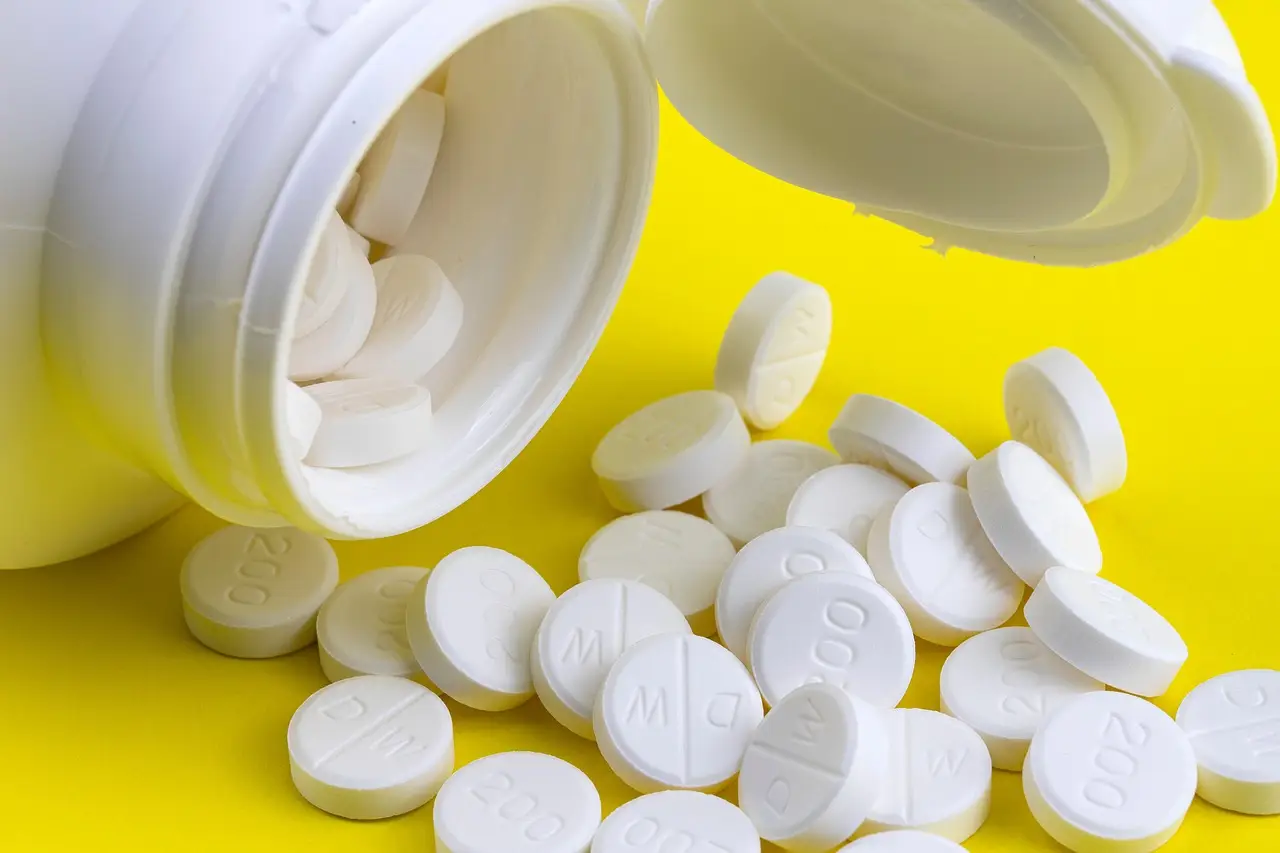
More than a thousand internet accounts advertised biologically active supplements without state registration — these figures for the first nine months of the current year were presented by Kazakhstan's Committee for Sanitary and Epidemiological Control (KSEC). The inspection covered nearly 3,000 advertising distributors, and the outcome will be serious for the digital dietary supplement advertising market: platforms have already begun removing illegal content.
What exactly did the inspection find?
The KSEC monitored compliance with advertising legislation in the dietary supplement segment. Specialists checked more than 2,600 online platforms and 335 media outlets. Instagram, Facebook, and YouTube came under monitoring.
The result: 1,008 accounts promoted unregistered supplements. Sales were made via pre-order through the internet — a classic scheme in which the buyer sees neither the packaging nor the labeling until receiving the product.
What measures did the regulator take?
To eliminate violations, the KSEC deployed several channels of pressure simultaneously:
- 349 recommendation letters were sent to advertising distributors;
- 7 requests were submitted to relevant government agencies demanding the blocking of illegal content;
- 20 informational letters were sent to the Atameken Chamber of Entrepreneurs and other agencies.
Meta has already begun removing publications that violate the rules. This means that account owners on Instagram and Facebook are losing their reach and the platforms themselves — and without court procedures, acting directly on the regulator's request.
What does this change for the market?
For practicing marketers and e-commerce project owners, the signal is clear: dietary supplement advertising in Kazakhstan has become an area of heightened scrutiny, and pre-orders via social media are no longer a gray zone but a direct risk of account blocking. The regulator operates systematically rather than on a complaints basis — monitoring is carried out on a scheduled basis and covers thousands of platforms.
In parallel, the KSEC is conducting prevention efforts among consumers. During the reporting period, specialists prepared and published more than 5,300 explanatory articles and expert commentaries on the rules for purchasing and advertising dietary supplements. Such an information campaign reduces the conversion of aggressive advertising and changes audience behavior.
What is the situation offline?
The problem is not limited to the internet. It was previously reported that 15% of biologically active supplements on the country's shelves are sold with violations. Most often, manufacturers cheat on labeling, although some samples also showed microbiological deviations.
The picture is as follows: the regulator is pressuring the promotion channel, not just the manufacturer. For advertising distributors — bloggers, targeting specialists, public page owners — this means the need to verify a product's state registration before publication, because liability now extends to account blocking at the platform level.
Source: Kursiv
More from Алексей Черных
178 articles
Related articles
- Pinduoduo and Anthropic paid Kazakhstan 8 billion tenge in taxes
- Disney Will Show Super Bowl 2027 Through the Eyes of Star Wars Characters
- Omnicom: Creative Falls for Third Quarter, Media Grows 10%
- 51% of teens call brand slang flirting
- Elvis Presley Song Rights Holders Demand $41.1 Million from Anthropic